401 Richmond Illustration Studio
OCAD University’s RBC Centre for Emerging Artists & Designers is excited to announce the return of the 401 Richmond Illustration Studio for graduating Illustration students.
April 27, 2026

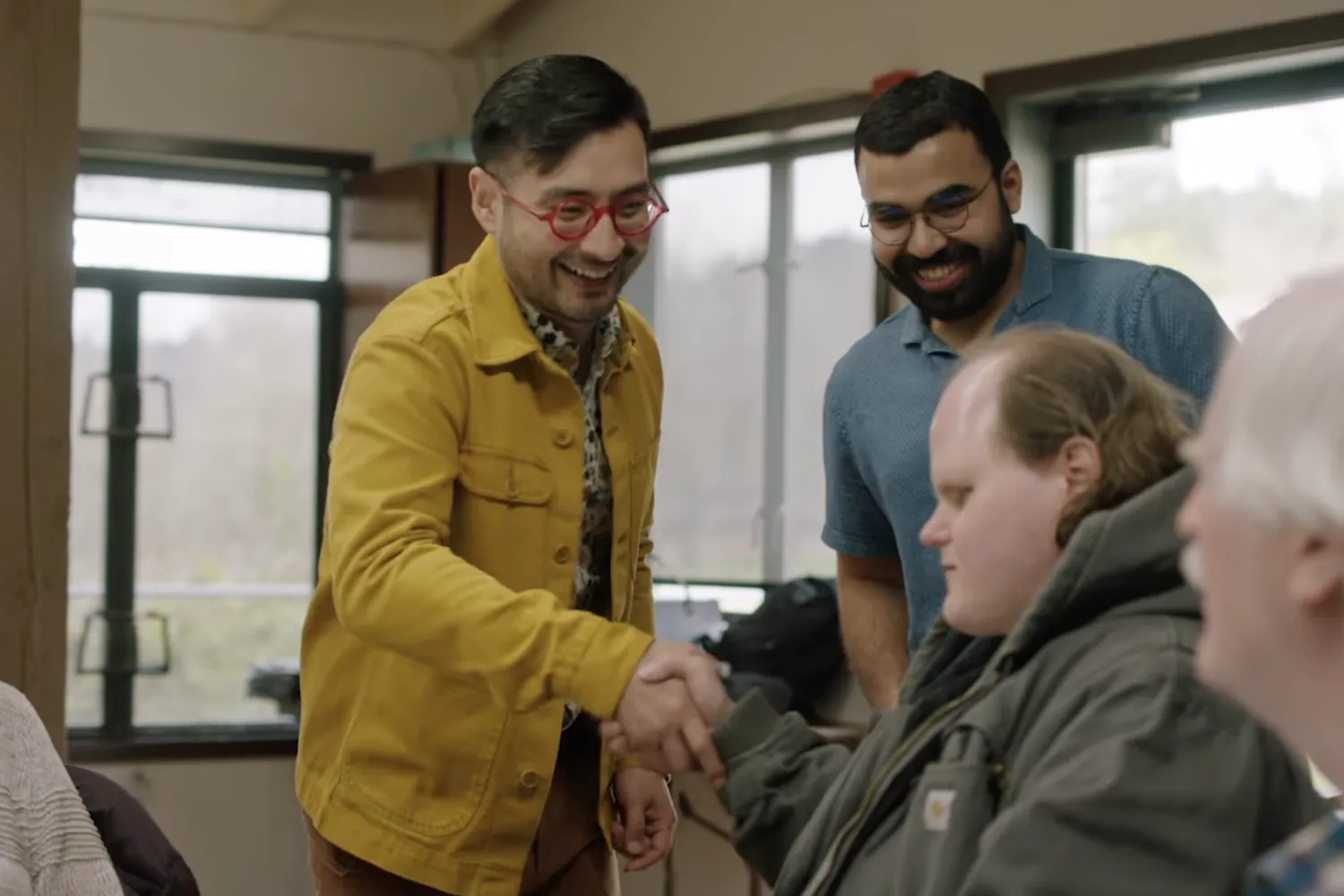
A new accessibility tool developed by an OCAD University Digital Futures alum and his partner is helping make online video more inclusive for people who are blind or who have low vision.
Created by computer scientist Aaditya Vaze and his partner Patrick Burton, the platform—ViddyScribe—automatically generates audio descriptions for videos in minutes. Built around a mission to democratize accessible media, the tool aims to give people who are blind or have low vision the same access to online video that sighted users enjoy, without the need for a studio, narrator, or lengthy production process.
ViddyScribe offers a free individual plan with limited monthly minutes and basic features to watch and share for personal use, and paid subscription tiers for commercial and larger organizations and enterprises.
In 2024, ViddyScribe was selected as the winner for best web application in the Gemini API Developer Competition.
OCAD U caught up with Aaditya Vaze to learn more about his work and the web tool.
Can you describe how this web tool works?
ViddyScribe lets anyone upload a video and automatically receive a version with audio descriptions within minutes. It supports 52 languages and makes it possible for people who are blind or have low vision to watch any video they choose with clear scene narration stitched together between natural pauses in the video.
We also have another tool specifically for YouTube videos; ViddyScribe Realtime which adds audio description instantly.
For organizations, ViddyScribe offers a fully equipped platform that helps teams make their video content accessible at scale. It helps universities, government agencies, and other public institutions integrate audio descriptions directly into their videos, helping them comply with accessibility laws such as ADA Title II, which requires public entities to make digital content accessible to people with disabilities in the U.S.
Manual audio description services often take weeks and cost hundreds of dollars, which is one of the main reasons why a tiny fraction of online videos are accessible today.
ViddyScribe makes the process dramatically more affordable and significantly faster. We believe this will enable more organizations to shift to accessibility first approach for all of their media and moves us closer to a world where every video on the internet is accessible to blind and low vision audiences globally.
How many people are using the web tool?
We currently have about 5,000 people who are blind or have low vision across 100 countries who use it to watch their videos with audio descriptions and about 10 organizations across Europe and the United States using it for accessibility compliance needs for videos.
We have added audio descriptions to over 30,000 user uploaded videos and enabled audio descriptions more than 20 billion YouTube videos in 39 languages in the first six months alone since launch.
How did your training/education at OCAD U factor into this project?
I completed a bachelor’s degree in computer science, but I’ve always approached technology from a design-driven perspective. That interest led me to OCAD U’s Digital Futures program, where technology and design intersect and experimentation is encouraged.
During the program, I spent many weekends working in the ACE Lab and collaborating closely with Associate Professor Dr. Alexis Morris. That experience played a key role in my growth as both a builder and a researcher. With strong support for creative exploration, I learned through hands-on design, rapid prototyping, and participant studies.
My thesis project CuriosityXR explored new ways of learning using mixed reality and AI. Today the app is leading in the AI Learning category on the Meta Quest store. The work I did at OCAD U helped me understand how people actually learn and interact with technology, which later shaped how I approached building accessible tools like ViddyScribe.
What kind of feedback have you received from blind or low-vision users?
Many people who are blind or have low vision shared positive and often emotional feedback. People tell us that ViddyScribe helps them enjoy personal videos and moments shared in family and friend groups for the first time. Many say it gives them a sense of independence, allowing them to enjoy videos on their own without needing someone else to explain what is happening on screen.
What advice would you give to OCAD U students who want to build technology with social impact?
Start by listening to real people and real problems. Build small things, test them early, and learn from feedback. Impact comes from solving everyday issues, not from chasing complex ideas.
What’s next for ViddyScribe?
We are focused on helping universities and public institutions meet accessibility requirements while making online video accessible by default. Our goal is to continue lowering costs and scaling the technology, so that accessibility becomes a natural part of publishing any video on the internet, not an afterthought.