401 Richmond Illustration Studio
OCAD University’s RBC Centre for Emerging Artists & Designers is excited to announce the return of the 401 Richmond Illustration Studio for graduating Illustration students.
April 27, 2026

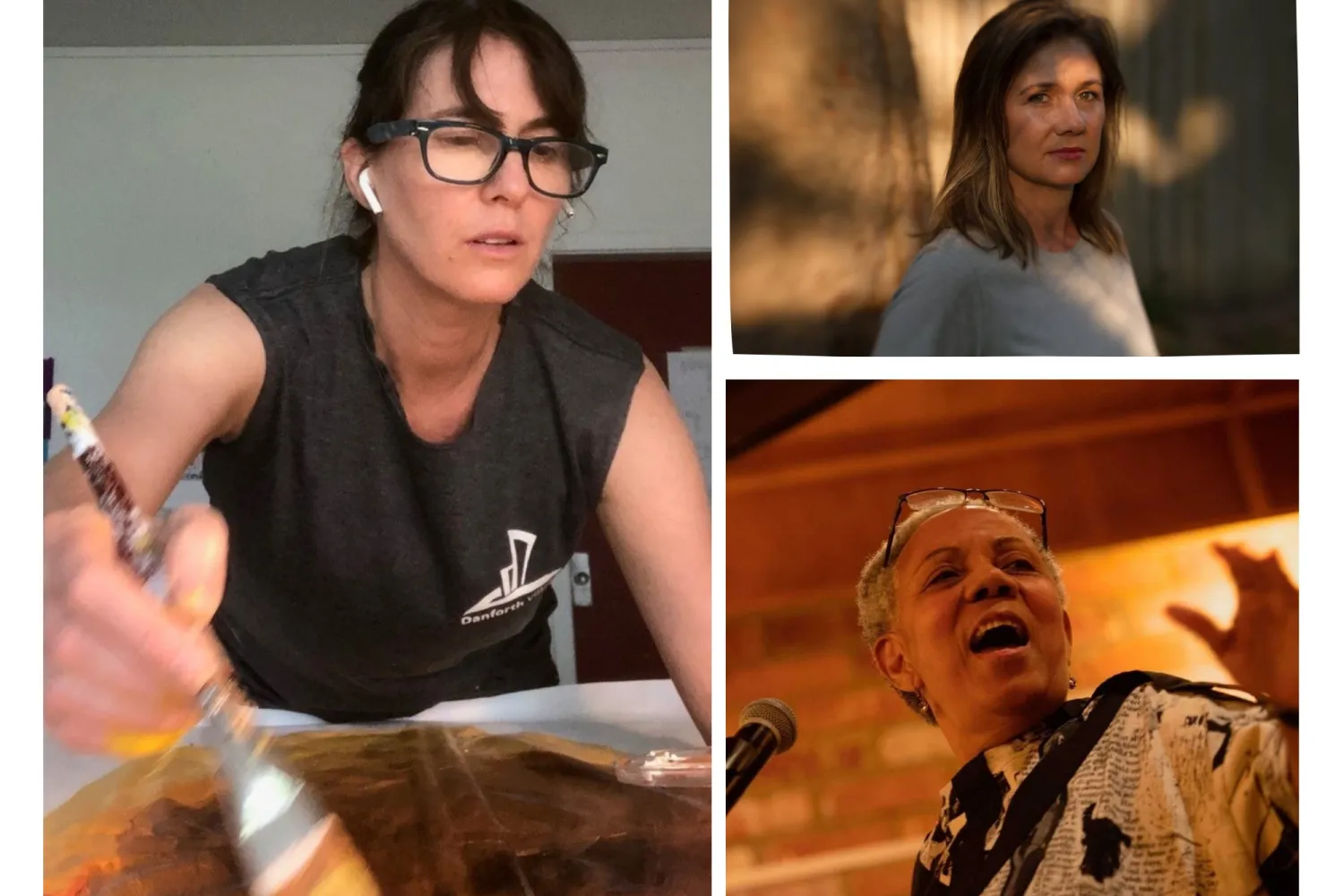
Every winter, a familiar wave of advice rolls in, as experts offer no shortage of tips on how to beat the winter blues. We turned to three OCAD University faculty members, who shared a simple message: creative activities—including painting, writing, crafting, or making music—can lift your mood. You don’t need to be an artist; the key is to start creating and stop worrying about “getting it right.”
So how do rhythm, poetry, and music help shift mood during the long winter months?
For Professor Lillian Allen, having immigrated to North America from Jamaica at a young age, she recalls turning to community, the arts, and activism to combat isolation and protect her mental health. Finding connection through music, writing groups, volunteering, and Toronto’s vibrant arts scene provided a sense of belonging and purpose.
The two-time JUNO Award winner, Toronto’s poet laureate and trailblazer in the field of spoken word and dub poetry, says “music is like being in an ocean of vibratory sounds coming from the heart and soul of its creator… and my artistic practice, my poetry is central to how I move through this world.”
“Even when dealing with difficult situations or life issues… move your heart, move your head, move your feet, move your body,” she adds. I have music going in every room. The energy of music is fuel for me, company too. I dance when I’m alone and I sing to my favourite songs.”
Associate Professor, author, and Chair of OCAD U’s Creative Writing program, Catherine Black, began writing at age nine, armed with a notebook and, as she puts it, “tons of feelings.” Decades later, her approach remains the same. Writing, she says, is a form of companionship—whether in a coffee shop, on a plane, or at the beach. Her debut novel, Blessed Nowhere, won the Guernica Prize for Literary Fiction.
That philosophy carries into her teaching. Black encourages students to focus on authenticity over spelling or structure. “Use your senses. Sink into the moment. Let associations unfold, even if they’re messy or imperfect. Give yourself permission to rage—or to play,” she says.
She emphasizes letting go of rules and silencing the inner critic. “The best writing pulls you in so completely you forget you’re reading—and leaves you wanting to return to it,” Black explains. “Writing is inherently life-affirming. It helps us know ourselves, connect with others, and feel less alone.”
“Taking the time to do something creative and being in the present moment is a great way to take care of yourself and support your well-being,” says OCAD U instructor and interdisciplinary artist Natalie Kauffman, who is pursuing art therapy certification at the Toronto Art Therapy Institute.
“For the winter blues, visual art can literally add colour to your life,” Kauffman says, noting that painting, collage, and printmaking offer an escape from winter’s “cold, grey, dark” reality. “Working with colours affects people’s mood, and can help people feel uplifted or calm, depending on the colours used and people’s association with them. For me, I love using a warm colour palette in the winter to help me feel (emotionally) comforted, nurtured, and soothed.”
Artmaking also has proven physiological benefits, she adds. “When you are creating art, the brain releases dopamine, similar to when you are working out, while also decreasing cortisol, the stress hormone,” she explains. “This calms the nervous system and naturally improves our mood and mental state.”
Kauffman emphasizes that art therapy is for everyone, even those who don’t see themselves as artistic, because the focus is on process rather than the final product. “It’s not about making art—it’s about using materials to express and communicate,” she says.
Above all, she encourages letting go of perfection and embracing play. “If something looks goofy or falls apart, laugh it off. Taking time to create, stay present, and enjoy the process is a powerful way to support your well-being in winter.”