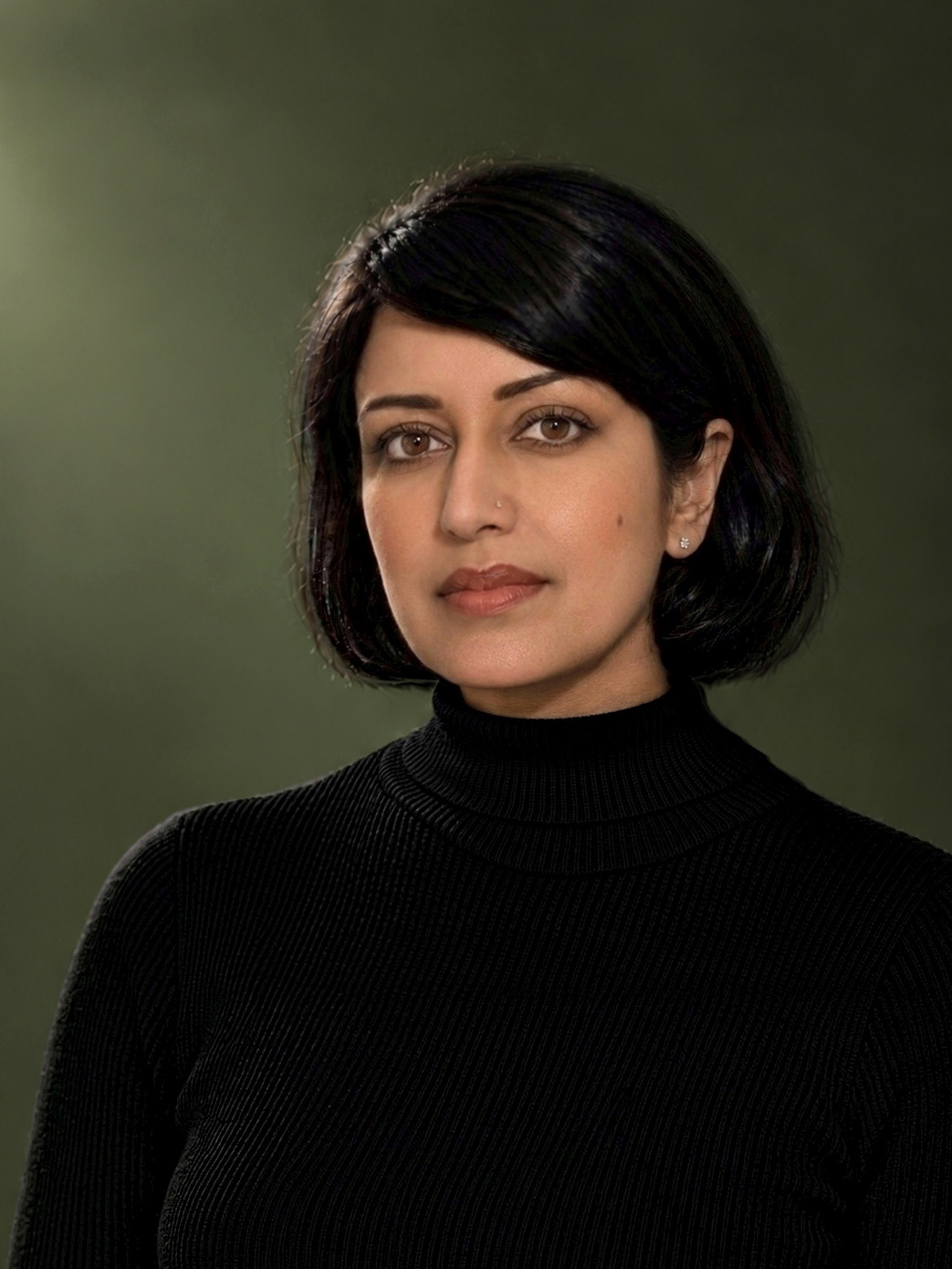
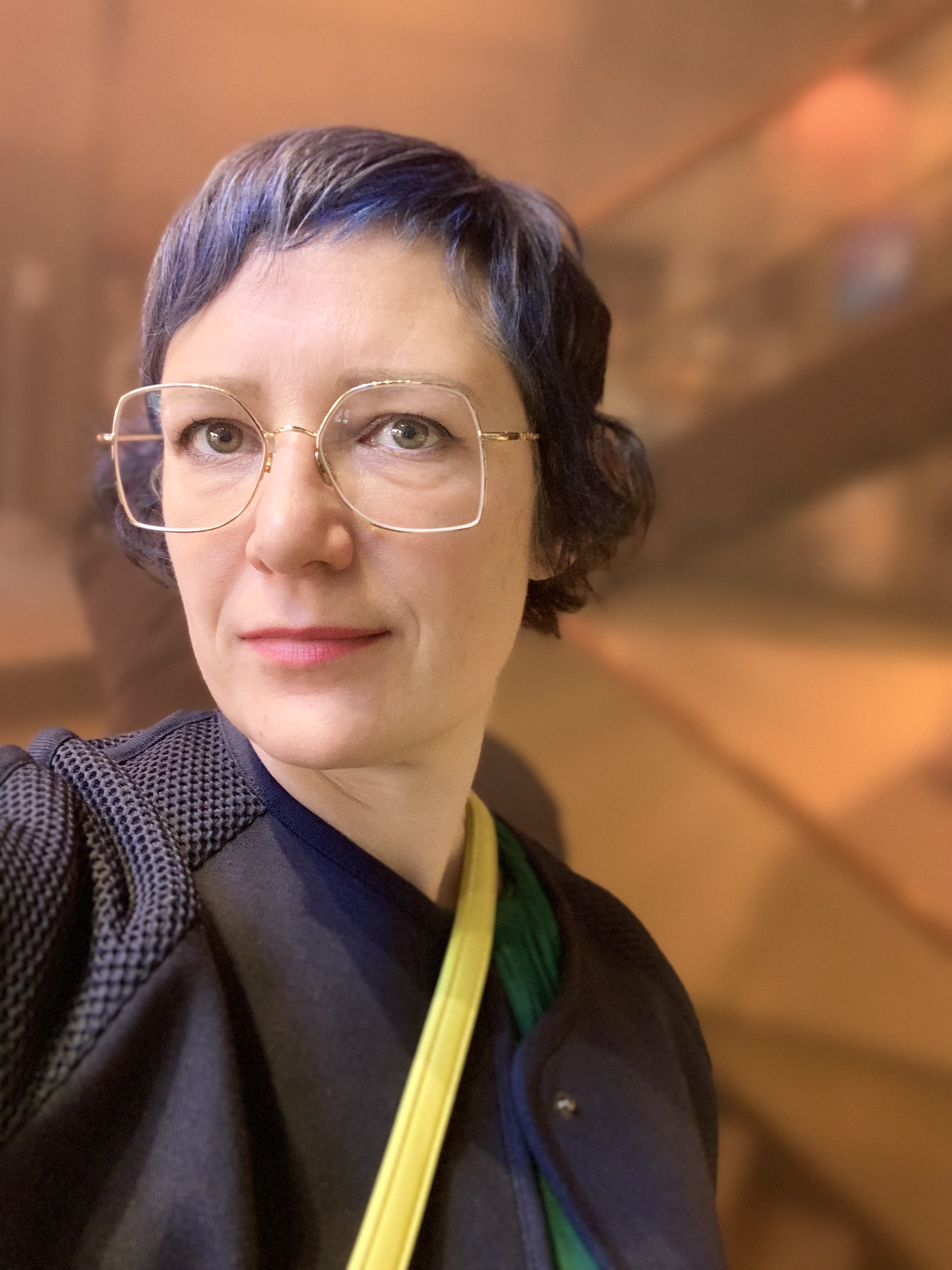
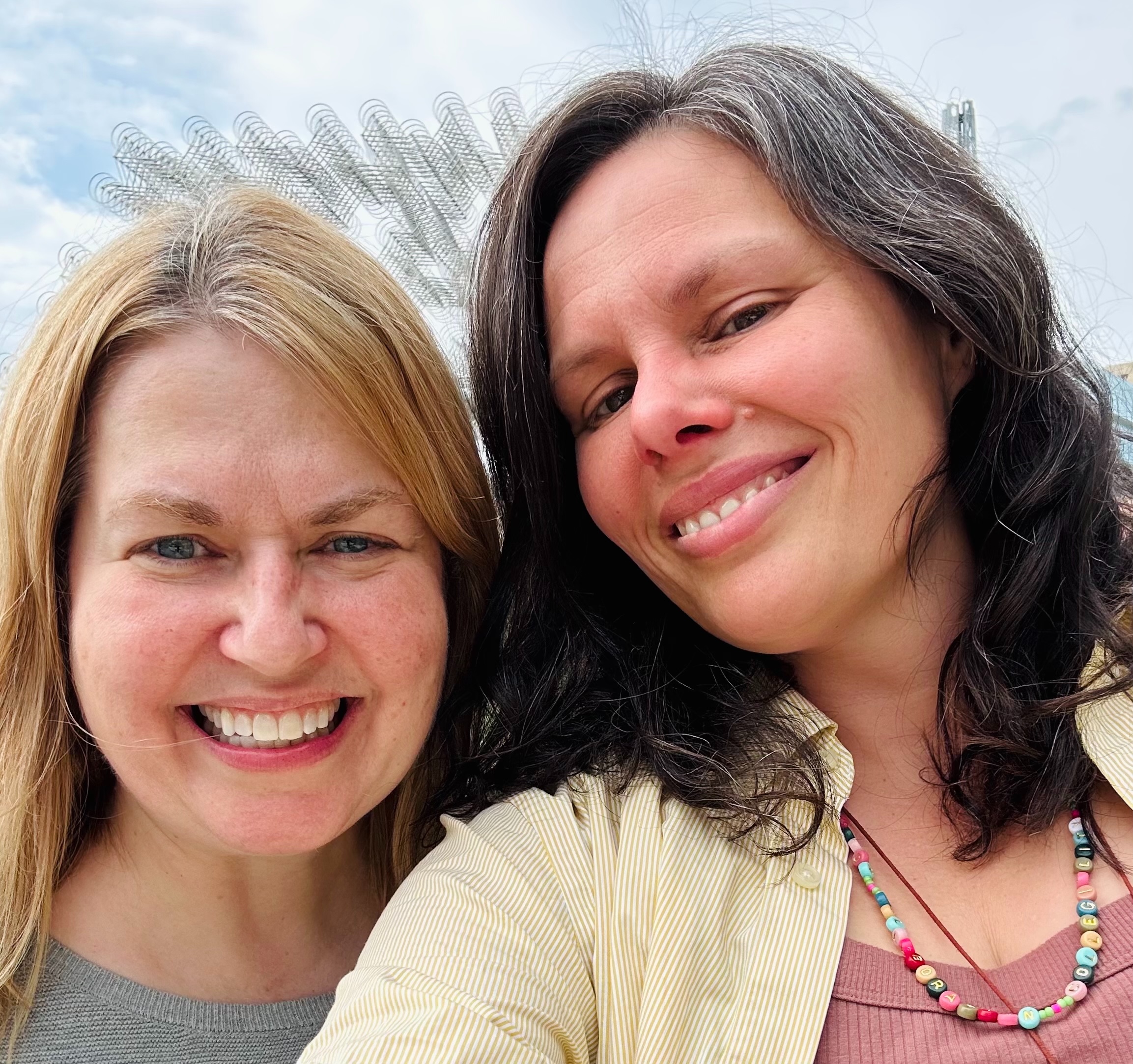
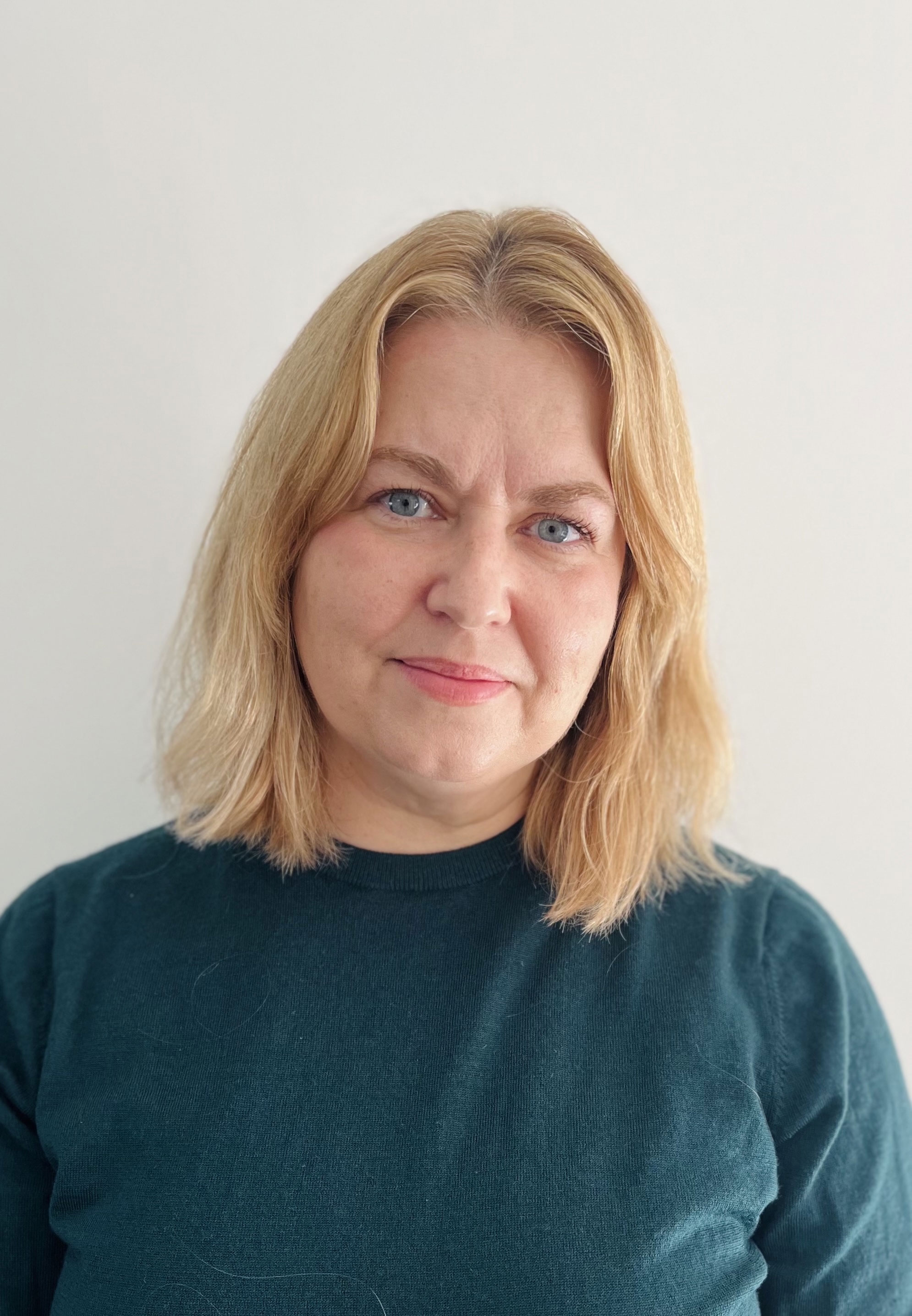
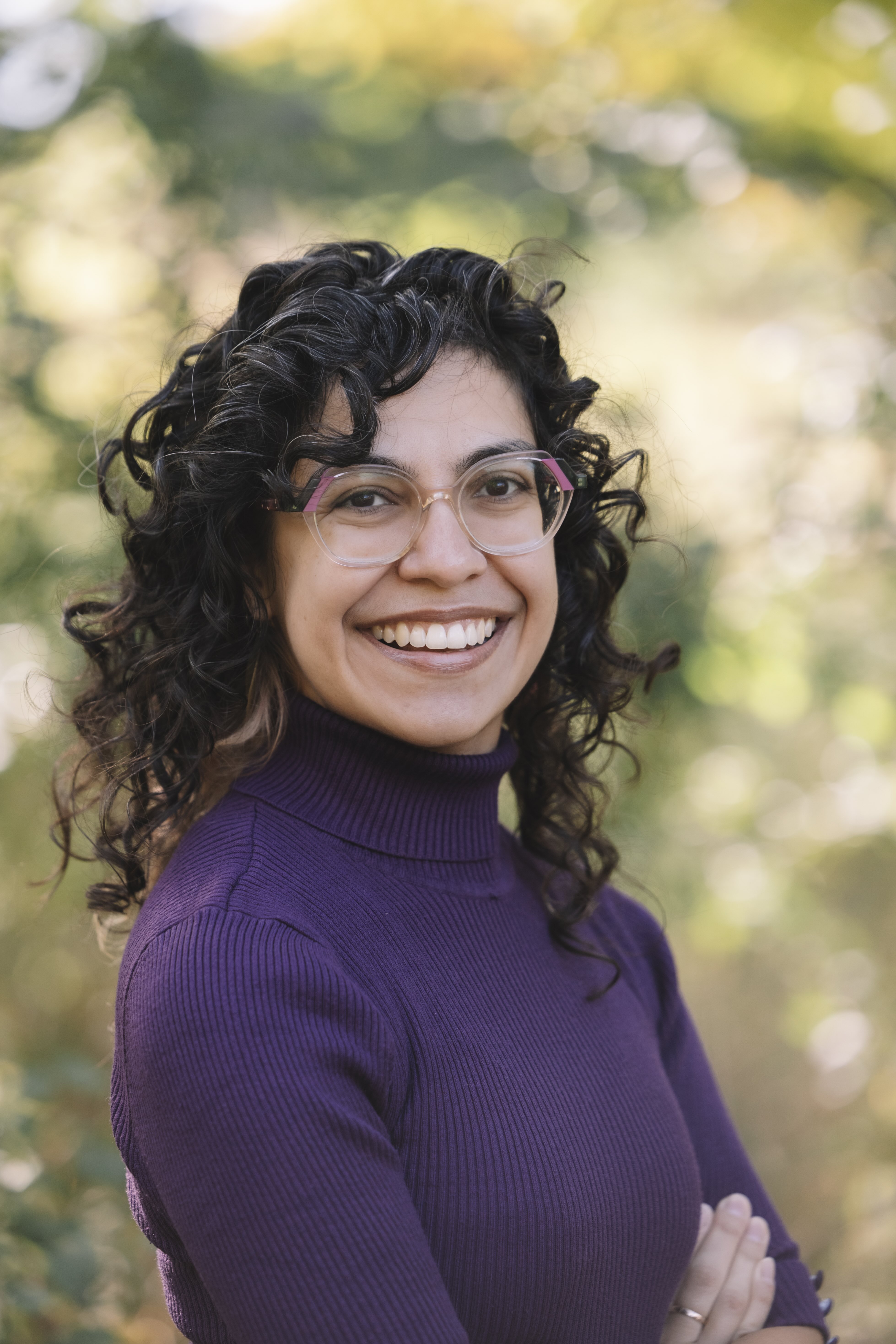
Associate Professor Maya Mahgoub-Desai and Associate Professor Angelika Seeschaaf-Veres
Faculty of Design
Project: Streets for Every Body: Co-designing for Accessibility, Mobility and Climate Justice
This research project explores how Toronto’s streets and public spaces can support people of different ages, bodies, abilities, and ways of moving through the city. Bringing together industrial and environmental design, the project is using future-focused civic signage, sensory mapping, and a participatory workshop with cyclists, disabled and neurodivergent participants, and residents who move through the city in different ways. Together, participants will identify barriers and imagine more accessible, climate-ready public spaces that support movement, access, and participation in city life.
Their insights will shape visual scenarios for streets and public spaces focused on mobility, health, accessibility, comfort, and climate resilience. A public exhibition will share participant perspectives and design visualizations, with findings informing future research and publications. The broader goal is to better understand how people with different bodies and abilities move through and experience the city, and use those insights to support more inclusive, healthy, and climate-resilient mobility.
The project is being led by Associate Professor Maya Mahgoub-Desai, an adjunct faculty member in Public Health Sciences at Queen's University School of Medicine and senior urban designer and planner at Moriyama Teshima Architects, and Associate Professor Angelika Seeschaaf-Veres, an industrial designer, foresight strategist, educator, and co-founder of the award-winning practice Radical Norms and climate-futures platform Signs of Change. She is also a member of OCAD U’s Inclusive Design Research Centre, where she co-leads a research hub on the Future of Work and inclusive AI.
Through an ecological lens, Mahgoub-Desai examines how built and natural environments influence health and well-being, attending to how disability and cultural context intersect with access, care, and climate resilience. Supported by the Social Sciences and Humanities Research Council (SSHRC), Canada's SDG Funding Program, and the Centre for Aging + Brain Health Innovation, her work spans inclusive mobility, sustainable transit, public space, built-environment equity, and care environments, building on earlier scholarship in environmental futures and emerging technologies.
In professional practice, Mahgoub-Desai has brought a community-centred, climate-responsive approach to master planning across Canada and the Middle East. She advances equity and health advocacy as co-chair of the Royal Architectural Institute of Canada’s Promoting Equity and Justice Committee, an executive member of Building Equality in Architecture Toronto, and a patient research partner with University Health Network.
Seeschaaf-Veres’ interdisciplinary practice bridges industrial, speculative, inclusive, and sustainable design to explore how technologies can adapt to climate and societal disruption. Her research connects speculative design, futures literacy, and participatory methods to advance equitable approaches to emerging technologies, climate adaptation, and resilient systems.
Through Signs of Change, Seeschaaf-Veres and partners Koby Barhad and Bettina Schwalm bring climate futures into public space through speculative artifacts and workshops, translating environmental challenges into tangible scenarios that enable collective imagination and action. Through Radical Norms, she applies foresight and speculative design to products, services, and strategies for international organizations.