## Breadcrumb
1. [Home](/)
2. Markdownify
3. Node
4. [2026-27 BMO Sustainable Futures Microgrants support sustainability-focused research](/markdownify/node/4885)
October 16, 2026
# 2026-27 BMO Sustainable Futures Microgrants support sustainability-focused research
rgb(255,255,255)
From reimagining how Toronto’s streets can better serve people of different ages, abilities and mobility needs to using game design to explore the environmental and social impacts of Generative Artificial Intelligence (GAI), OCAD U researchers are using art, design and creative collaboration to address some of today’s most pressing sustainability challenges.
Generously supported by BMO, the 2026-27 BMO Sustainable Futures Microgrant recipients are undertaking projects that will examine how more sustainable futures can be shaped through inclusive urban design, cultural knowledge, care-centred education, critical engagement with GAI and new perspectives on packaging. The grants are awarded by the [Global Centre for Climate Action](https://www.ocadu.ca/research-and-innovation/research-labs-centres/global-centre-climate-action) at OCAD University.
This year’s full-time non-sessional faculty recipients are Assistant Professor Michael Lee Poy; Associate Professor Maya Mahgoub Desai and Associate Professor Angelika Seeschaaf-Veres; Caring Futures Collective (Associate Professor Dr. Michelle Miller and Assistant Professor Dr. Lori Riva), and Ludicrous Process (Associate Professor and Chair, Digital Futures Initiative Dr. Adam Tindale, Assistant Professor Dr. Lori Riva and Emilie Brancato, manager, Curricular Innovation, Centre for Learning & Teaching). Each project received $4,500 in funding. Funding was also awarded to part-time Instructor Robert Joel Cortez who received $2,500.
Together, their projects demonstrate how art and design research can contribute to sustainability in ways that go beyond conventional environmental solutions. They apply creative methods to rethink how we make things, design cities, teach, use technology and relate to materials and communities.
### **2026-27 RECIPIENTS AND THEIR PROJECTS**
rgb(255,255,255)
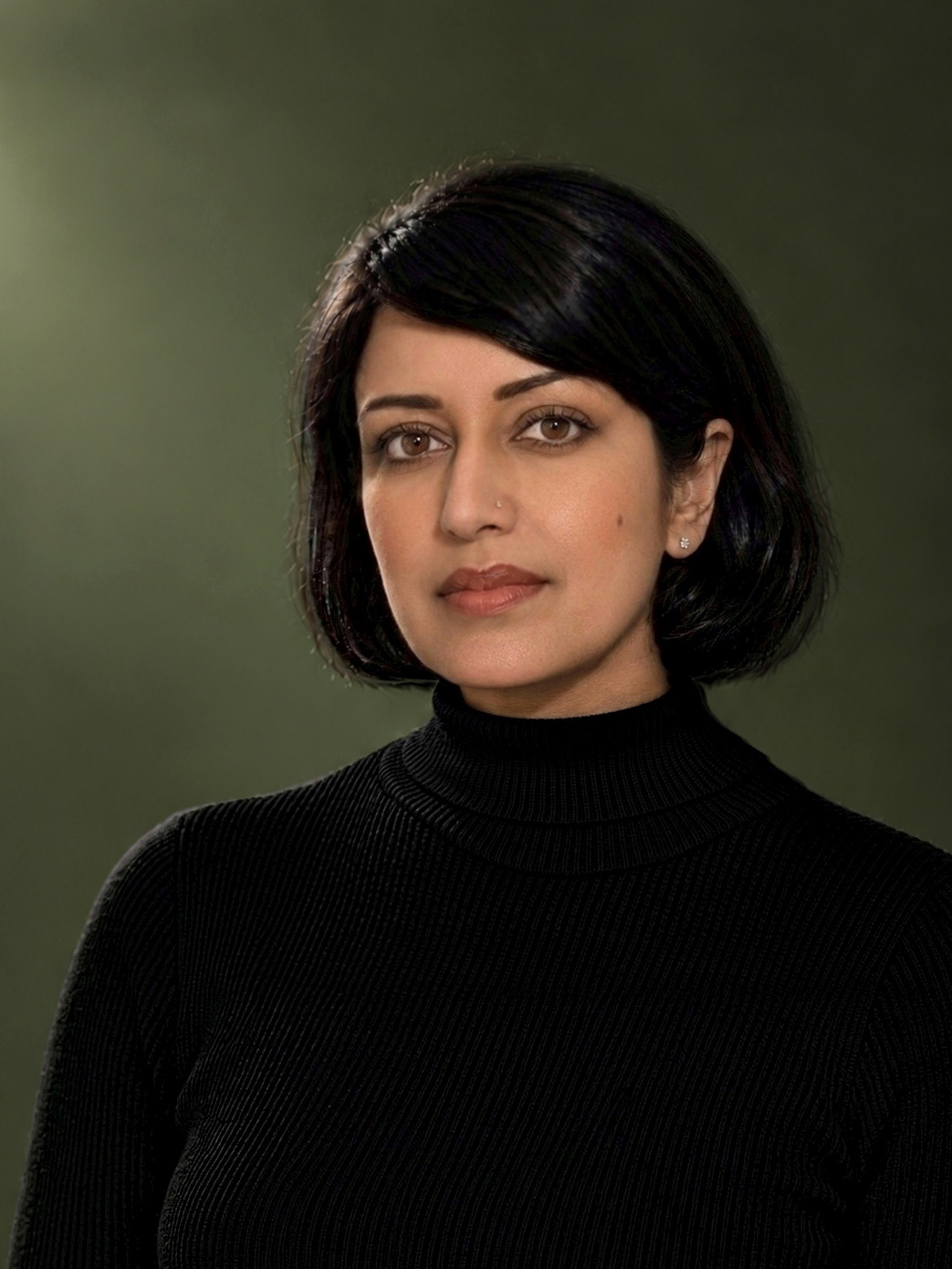
Associate Professor Maya Mahgoub-Desai
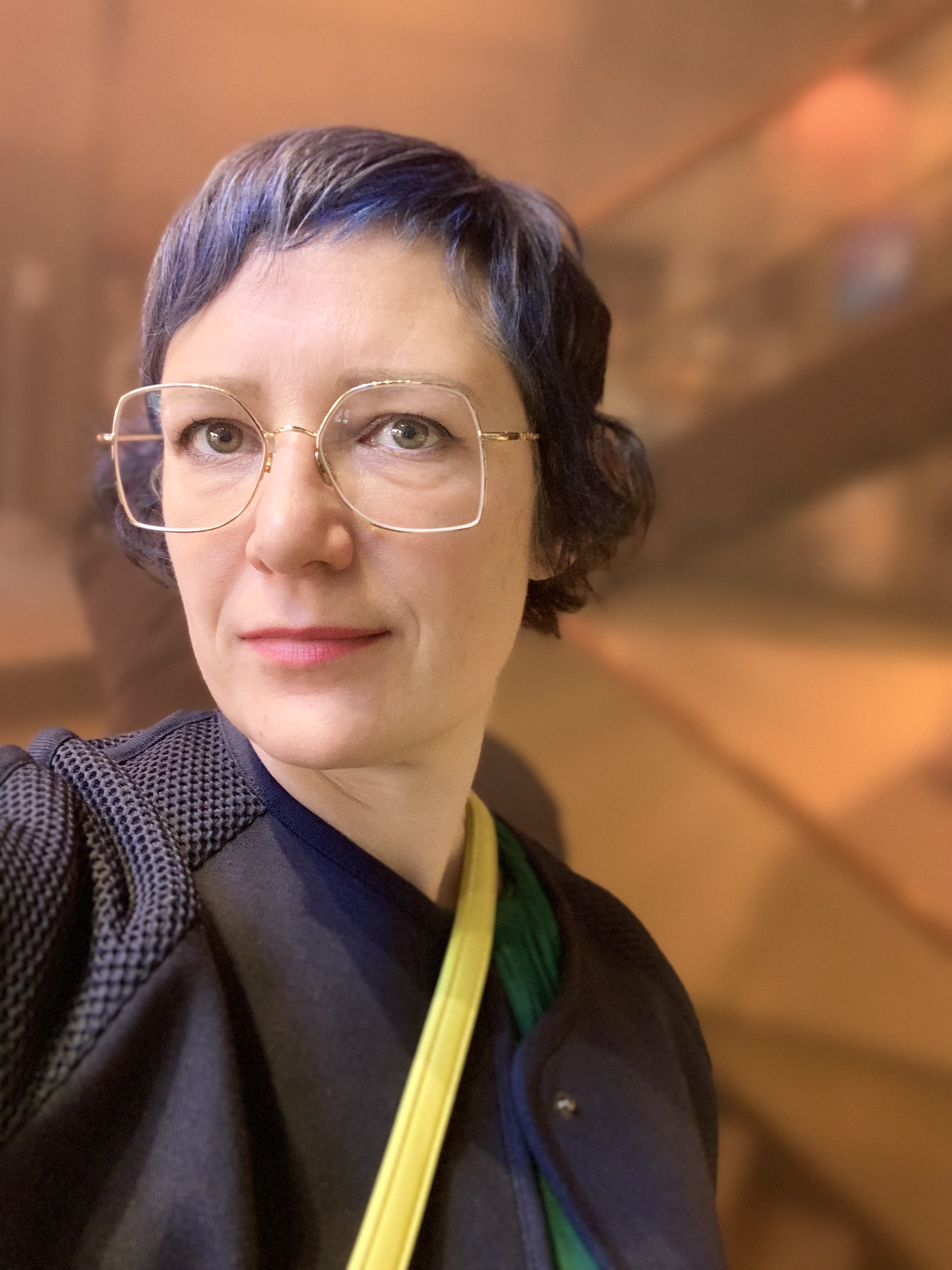
Associate Professor Angelika Seeschaaf-Veres
rgb(255,255,255)
**Associate Professor Maya Mahgoub-Desai and Associate Professor Angelika Seeschaaf-Veres**
**Faculty of Design**
**Project:** Streets for Every Body: Co-designing for Accessibility, Mobility and Climate Justice
This research project explores how Toronto’s streets and public spaces can support people of different ages, bodies, abilities, and ways of moving through the city. Bringing together industrial and environmental design, the project is using future-focused civic signage, sensory mapping, and a participatory workshop with cyclists, disabled and neurodivergent participants, and residents who move through the city in different ways. Together, participants will identify barriers and imagine more accessible, climate-ready public spaces that support movement, access, and participation in city life.
Their insights will shape visual scenarios for streets and public spaces focused on mobility, health, accessibility, comfort, and climate resilience. A public exhibition will share participant perspectives and design visualizations, with findings informing future research and publications. The broader goal is to better understand how people with different bodies and abilities move through and experience the city, and use those insights to support more inclusive, healthy, and climate-resilient mobility.
The project is being led by Associate Professor Maya Mahgoub-Desai, an adjunct faculty member in Public Health Sciences at Queen's University School of Medicine and senior urban designer and planner at Moriyama Teshima Architects, and Associate Professor Angelika Seeschaaf-Veres, an industrial designer, foresight strategist, educator, and co-founder of the award-winning practice Radical Norms and climate-futures platform Signs of Change. She is also a member of OCAD U’s Inclusive Design Research Centre, where she co-leads a research hub on the Future of Work and inclusive AI.
Through an ecological lens, Mahgoub-Desai examines how built and natural environments influence health and well-being, attending to how disability and cultural context intersect with access, care, and climate resilience. Supported by the Social Sciences and Humanities Research Council (SSHRC), Canada's SDG Funding Program, and the Centre for Aging + Brain Health Innovation, her work spans inclusive mobility, sustainable transit, public space, built-environment equity, and care environments, building on earlier scholarship in environmental futures and emerging technologies.
In professional practice, Mahgoub-Desai has brought a community-centred, climate-responsive approach to master planning across Canada and the Middle East. She advances equity and health advocacy as co-chair of the Royal Architectural Institute of Canada’s Promoting Equity and Justice Committee, an executive member of Building Equality in Architecture Toronto, and a patient research partner with University Health Network.
Seeschaaf-Veres’ interdisciplinary practice bridges industrial, speculative, inclusive, and sustainable design to explore how technologies can adapt to climate and societal disruption. Her research connects speculative design, futures literacy, and participatory methods to advance equitable approaches to emerging technologies, climate adaptation, and resilient systems.
Through Signs of Change, Seeschaaf-Veres and partners Koby Barhad and Bettina Schwalm bring climate futures into public space through speculative artifacts and workshops, translating environmental challenges into tangible scenarios that enable collective imagination and action. Through Radical Norms, she applies foresight and speculative design to products, services, and strategies for international organizations.
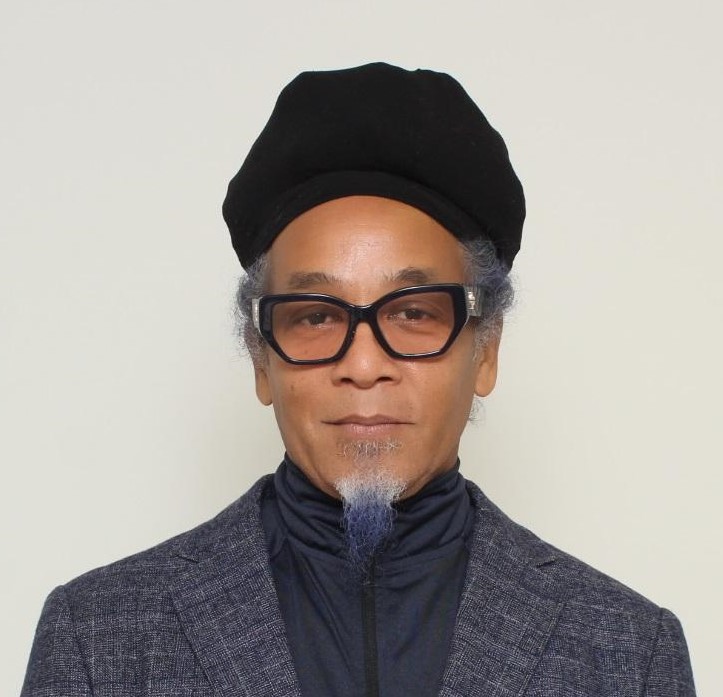
Assistant Professor Michael Lee Poy**Assistant Professor Michael Lee Poy**
**Faculty of Design**
**Project:** The Carnival Architectonics Lab
The Carnival Architectonics Lab is an interdisciplinary research-creation laboratory dedicated to investigating the art, design, performance, material cultures, and knowledge systems of Caribbean Carnival through the framework of the mascamp. Rooted in the masquerade traditions of Trinidad and Tobago and their diasporic expressions, the lab understands Carnival as a design ecology that integrates costume, music, movement, architecture, storytelling, performance, craft, and social practice. It approaches Carnival as a living system of cultural production and collective knowledge generation.
Bringing together faculty, students, artists, community organizations, and visiting scholars, the lab is advancing the study and practice of masquerade through research-creation, material experimentation, sustainable design, community engagement, performance, and critical scholarship.
The project is being led by Assistant Professor Michael Lee Poy, an Afro-Caribbean artist-activist and architect from Trinidad and Tobago and Canada. His practice and interests are centered on post-colonial Caribbean design and fabrication in the festival arts – specifically Carnival. He was a recipient of a 2025-26 BMO Sustainable Futures Faculty Fellowship.
He is currently developing pedagogy to address the absence of masquerade design, construction and presentation in curriculum through the Carnival Architectonics course. He has been incubating Moko Jumbie (stilt dancer) mascamp workshops in Trinidad, Cleveland and Toronto for the last decade. Similar to a studio learning ecosystem, mascamps are socially conscious design build fabrication laboratories for innovation. The Moko Jumbie Mascamp focuses on the sustainable design and fabrication of costumes (regalia) in a co-creative and safe environment.
rgb(255,255,255)

Left to right: Assistant Professor Dr. Lori Riva and Associate Professor Dr. Michelle Miller**Caring Futures Research Collective**
**Associate Professor Dr. Michelle Miller and Assistant Professor Dr. Lori Riva**
**Faculty of Arts and Science**
**Project:** Caring \[Climate\] Futures in Post-secondary Art and Design Education
This project extends a SSHRC-funded study of the future of care in post-secondary art and design education. The research project will ask students and faculty at OCAD U, Emily Carr University of Art + Design, NSCAD University, the Alberta University of the Arts, and Fine Arts programs at the University of Toronto and Concordia to design elements of a university that holds care as its central concern.
Sustainability has emerged as a central theme across their research and is understood as being connected to issues such as food, accessibility, and well-being. For this exploration of sustainability futures, the researchers will be working with a team of research assistants to create speculative interventions using their existing workshop data. Based in a process of making-as-thinking, the research team will imagine climate futures in education rooted in care.
The project is being led by Associate Professor Dr. Michelle Miller and Assistant Professor Dr. Lori Riva who are founding members of the Caring Futures Research Collective. They have been considering the importance of addressing climate change and sustainability as part of their work in a three-year SSRHC-funded study: Caring Futures in Canadian Art and Design Education.
Their practices have mutually developed throughout their longstanding interdisciplinary collaboration, which spans Dr. Miller’s research in contemporary comics, trans and queer literature and pedagogical innovation as well as Dr. Riva’s research in mapping urban ecologies as one of the inaugural Sustainable Futures Fellows in 2023-2024.
Initial findings of this collaborative research were presented at the Spotlight on Sustainability and Climate Change session at the Canadian Society for the Study of Education meeting in June 2026.
rgb(255,255,255)
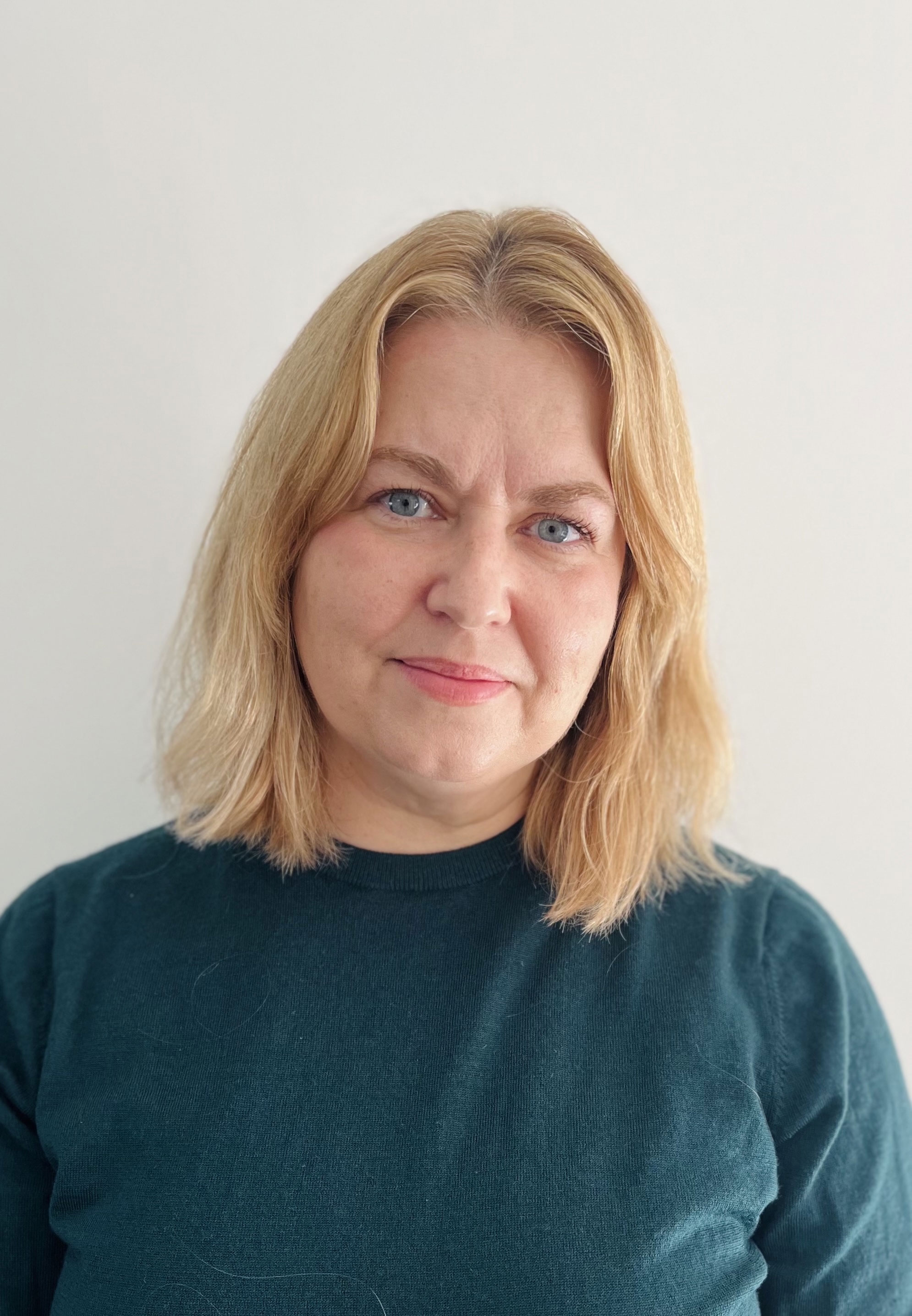
Assistant Professor Dr. Lori Riva
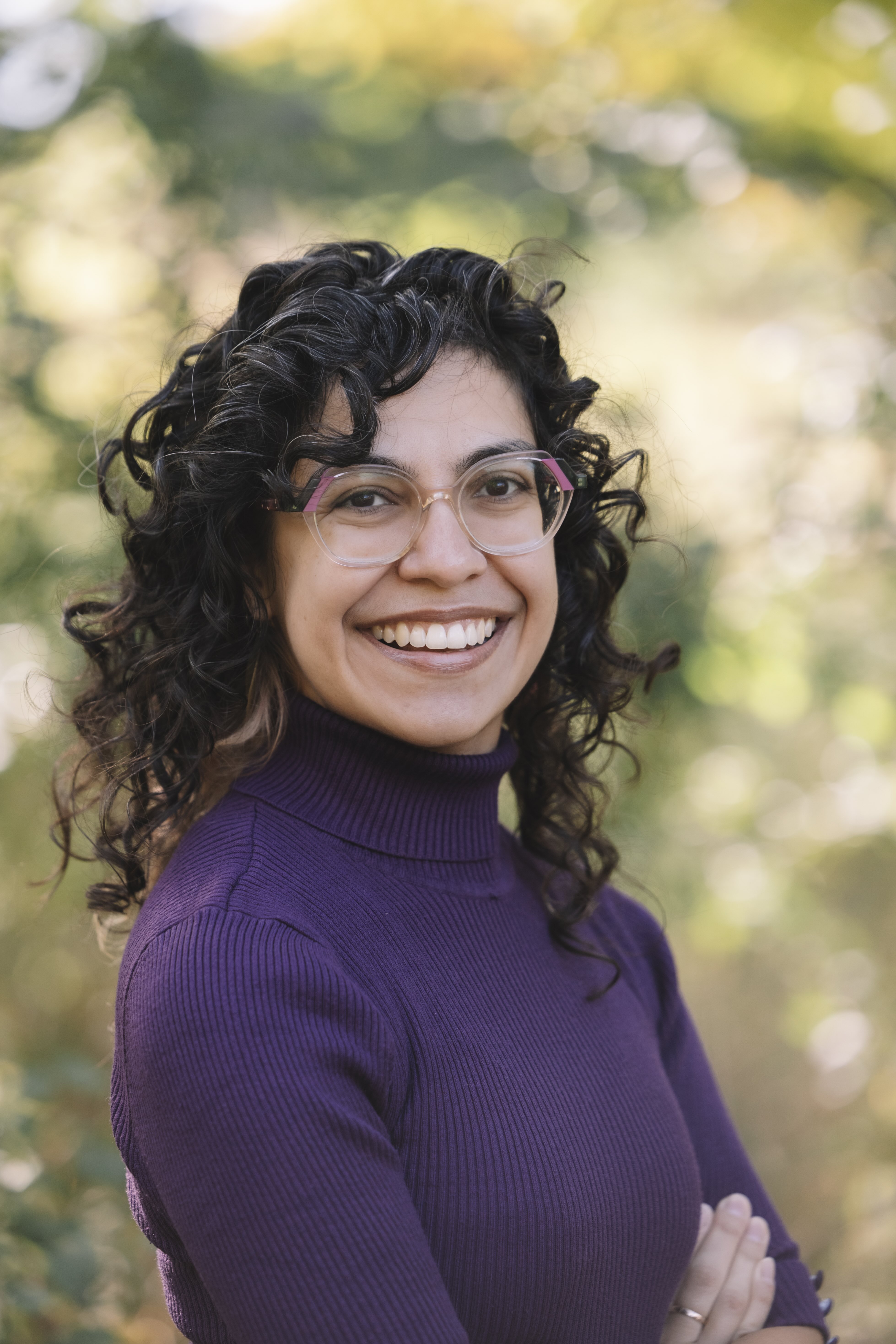
Emilie Brancato, Manager, Curricular Innovation, Centre for Learning & Teaching
rgb(255,255,255)
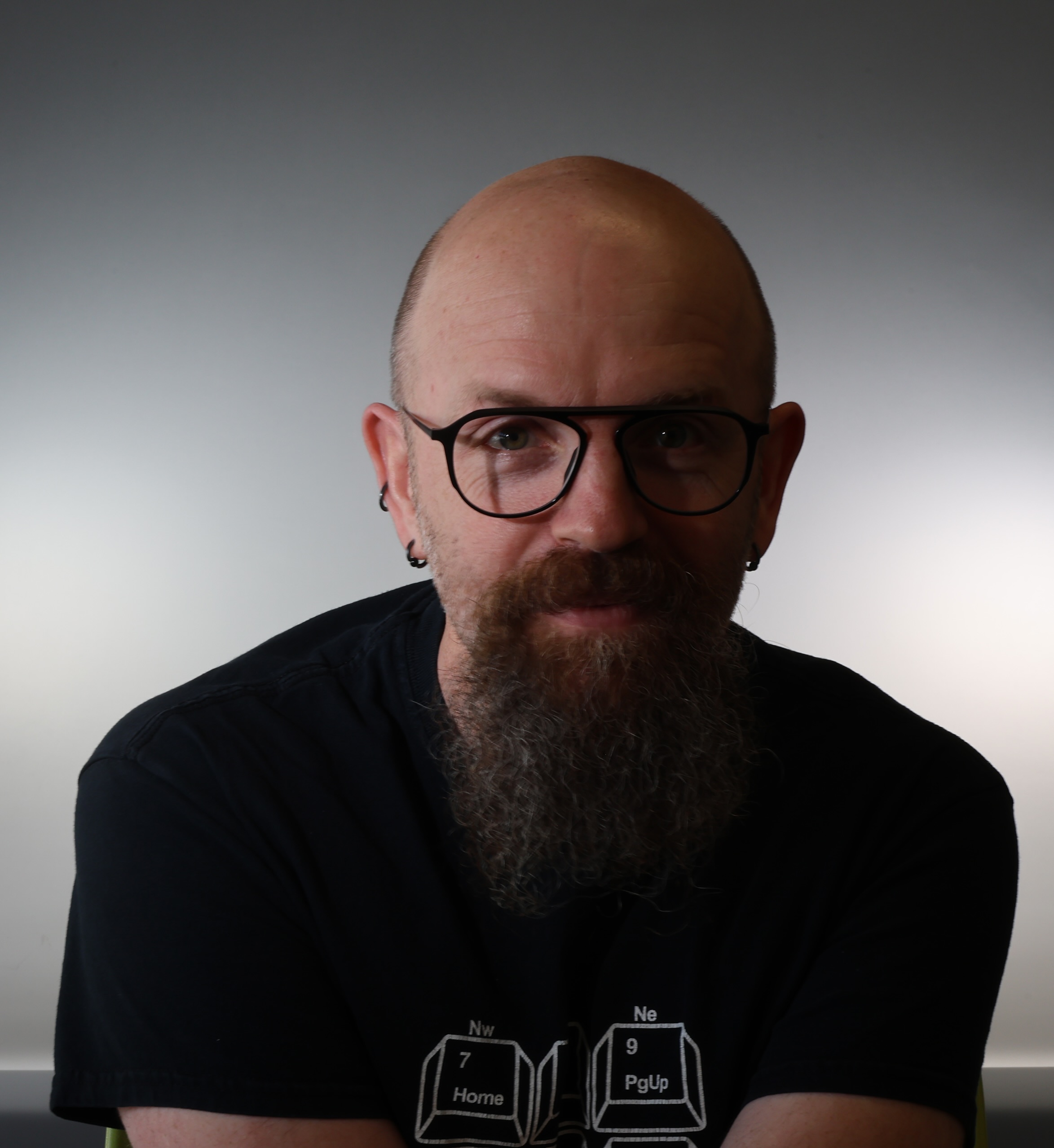
Associate Professor and Chair, Digital Futures, Dr. Adam Tindale**Ludicrous Process**
**Associate Professor and Chair, Digital Futures Dr. Adam Tindale, Assistant Dr. Lori Riva, Faculty of Arts and Science with Emilie Brancato, manager, Curricular Innovation, Centre for Learning & Teaching**
Founded in 2024 by Emilie Brancato, Dr. Lori Riva, Dr. Adam Tindale and Michael Atlin, Ludicrous Process is an interdisciplinary collective of researchers, educators and practitioners committed to playfully and critically engaging post-secondary art and design education with Generative Artificial Intelligence (GAI).
Drawing on diverse expertise in linguistics, pedagogy, machine learning, music, design history and theory, theatre, and game design, the collective develops collaborative, interactive approaches to the challenges GAI poses for teaching and learning, the environment, and educational institutions.
Grounded in a commitment to sustainable futures, Ludicrous Process pursues a mandate to develop a toolkit of games that address AI as an epistemological, educational, ecological and sociocultural challenge, with the goal of making things better for students, colleagues, and educators alike. They offer play, principled resistance to the so-called "inevitable," and the cultivation of ludicrous processes as pathways toward more desirable and sustainable futures.
Generative AI (GAI) continues to reshape education and society, raising urgent questions about its impacts on learning, the environment and human agency. Fostering meaningful conversations about why when and how to engage with GAI is becoming increasingly difficult, particularly as institutions adopt AI tools faster than people can acquire relevant competencies and/or critically evaluate them.
Ludicrous Process' practice-based research positions games as a powerful vehicle for exploring GAI's implications for students, educators, and the planet, using games and playshops to enable timely and complex conversations. This project is developing an analogue solo game that invites players to explore the environmental and social impacts of GAI, experiment with personal and societal futures, and develop strategies for navigating AI thoughtfully and critically. In a subsequent phase, they will redesign the game to incorporate local, low-cost AI models: putting sustainable, user-controlled technology directly in players' hands.
rgb(255,255,255)
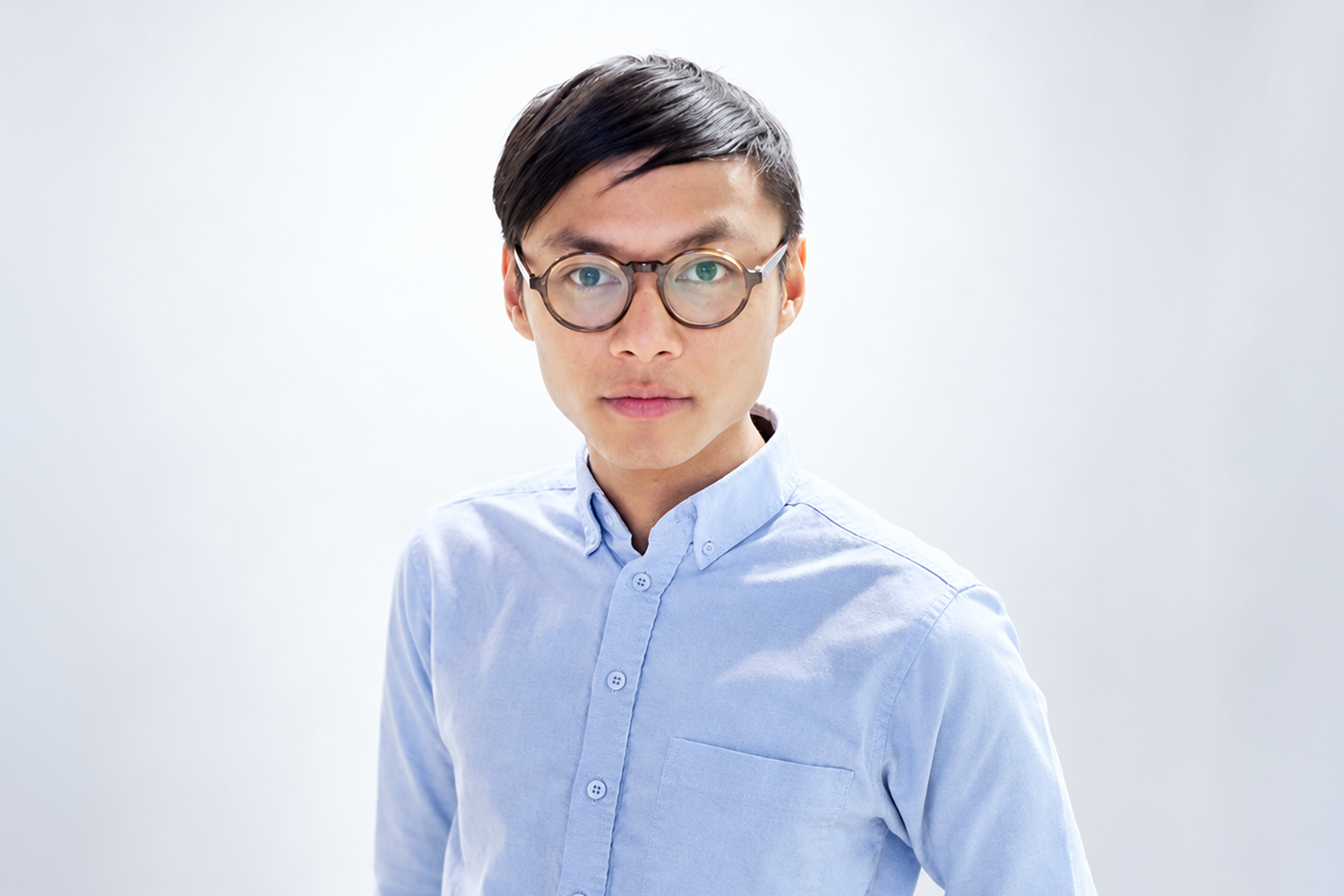
Instructor Robert Joel Cortez**Instructor Robert Joel Cortez**
**Faculty of Design**
**Project:** *Duelling Dualities: Packaging, Progress and Material Knowledge*
*Duelling Dualities: Packaging, Progress and Material Knowledge* is a research-based exhibition examining what contemporary packaging design might learn from systems of making that existed before disposability, standardization, and mass production came to shape our ideas of progress.
Placing Filipino vernacular food packaging alongside industrial counterparts, the project resists framing the comparison as a nostalgic contest between old and new. Instead, it treats packaging as evidence of different approaches to material, labour, place, convenience, and waste, considering how they are lived through everyday acts of holding, opening, using, and discarding. A woven leaf package and a mass-produced plastic cup may perform the same function, yet embody very different relationships between people and material, and carry the human stories of those who make and use them. Seen together, these objects suggest that sustainability is not simply a question of material substitution, but a reflection of our own value systems and priorities.
The project is being led by Instructor Robert Joel Cortez who is an experiential design strategist, creative director, and educator specializing in tangible brand systems and participatory conditions. For more than 20 years, his practice has spanned consumer brands and built environments, shaping an approach grounded in phenomenology and critical design thinking, that recognizes experience as language, felt through the body before it is understood.
As partner and chief experiential strategist at the Agency of Research and Creation, he examines how people perceive, behave, and make meaning, translating these insights into strategy across commercial and cultural organizations. This inquiry extends into his sustainability research in packaging design, through which he explores how material choices and patterns of use influence the value we assign to objects and the ways we think about longevity, disposal, and responsibility.

## Other Recent News
[### 2026-27 Call for Funding Proposals for Student Groups that Support Creative Entrepreneurship on Campus
The RBC Centre for Emerging Artists & Designers (CEAD) invites OCAD University student groups with a mandate to support entrepreneurship on campus to apply for funding for student-led initiatives that strengthen and expand the creative entrepreneurship ecosystem at OCAD U. This funding is intended to help student groups create opportunities for entrepreneurship skills development, community building, and revenue-generating activities for students and recent alumni, while reducing barriers to participation for equity-seeking individuals.
November 6, 2026
](/news/2026-27-call-funding-proposals-student-groups-support-creative-entrepreneurship-campus)
[### 2027 Critical Distance Centre for Curators Projections Program Call for Artists
OCAD University’s RBC Centre for Emerging Artists & Designers (CEAD) and Critical Distance Centre for Curators (CDCC) have partnered to co-create CDCC Projections Program Career Launcher. Four (4) to five (5) selected emerging artists will receive $690 to exhibit work in a single channel, projection-based screening program that will be displayed at the CDCC in March 2027.
October 30, 2026
](/news/2027-critical-distance-centre-curators-projections-program-call-artists)
[### Call for Vendors: BAM! Holiday Art Market 2026
OCAD University's RBC Centre for Emerging Artists & Designers (CEAD) is excited to partner again with Wychwood Barns to offer a curated group of OCAD U students and recent alumni the opportunity to share a vendor table at the BAM! Holiday Art Market.
October 26, 2026
](/news/call-vendors-bam-holiday-art-market-2026)
Related Stories
## Related Stories
[### Erased from the playbill: how AI is helping to map Nazi censorship of German music theatre
A four-year project led by OCAD U Associate Professor Dr. Helmut Reichenbächer examines how music-theatre programming in Germany was reshaped from the Weimar Republic to the Nazi era.
September 16, 2026
](/news/erased-playbill-how-ai-helping-map-nazi-censorship-german-music-theatre)
[### Research investigates how sustained material practices can help people process memory, grief and loss
Dr. Nithikul Nimkulrat’s research project is developing a theoretical account of how memory, grief, and loss are experienced not only cognitively or verbally, but through the body, materials, objects, relationships and time.
September 4, 2026
](/news/research-investigates-how-sustained-material-practices-can-help-people-process-memory-grief)
[### SSHRC funds studies of cultural censorship, and grief and nostalgia through craft
One project maps patterns of cultural censorship during the Nazi era while a second is developing a theory of grief and nostalgia through embodied material practices.
July 21, 2026
](/news/sshrc-funds-studies-cultural-censorship-and-grief-and-nostalgia-through-craft)