## Breadcrumb
1. [Home](/)
2. Markdownify
3. Node
4. [Summer Institute Exhibition](/markdownify/node/4806)
# Summer Institute Exhibition
Thesis Exhibition Public
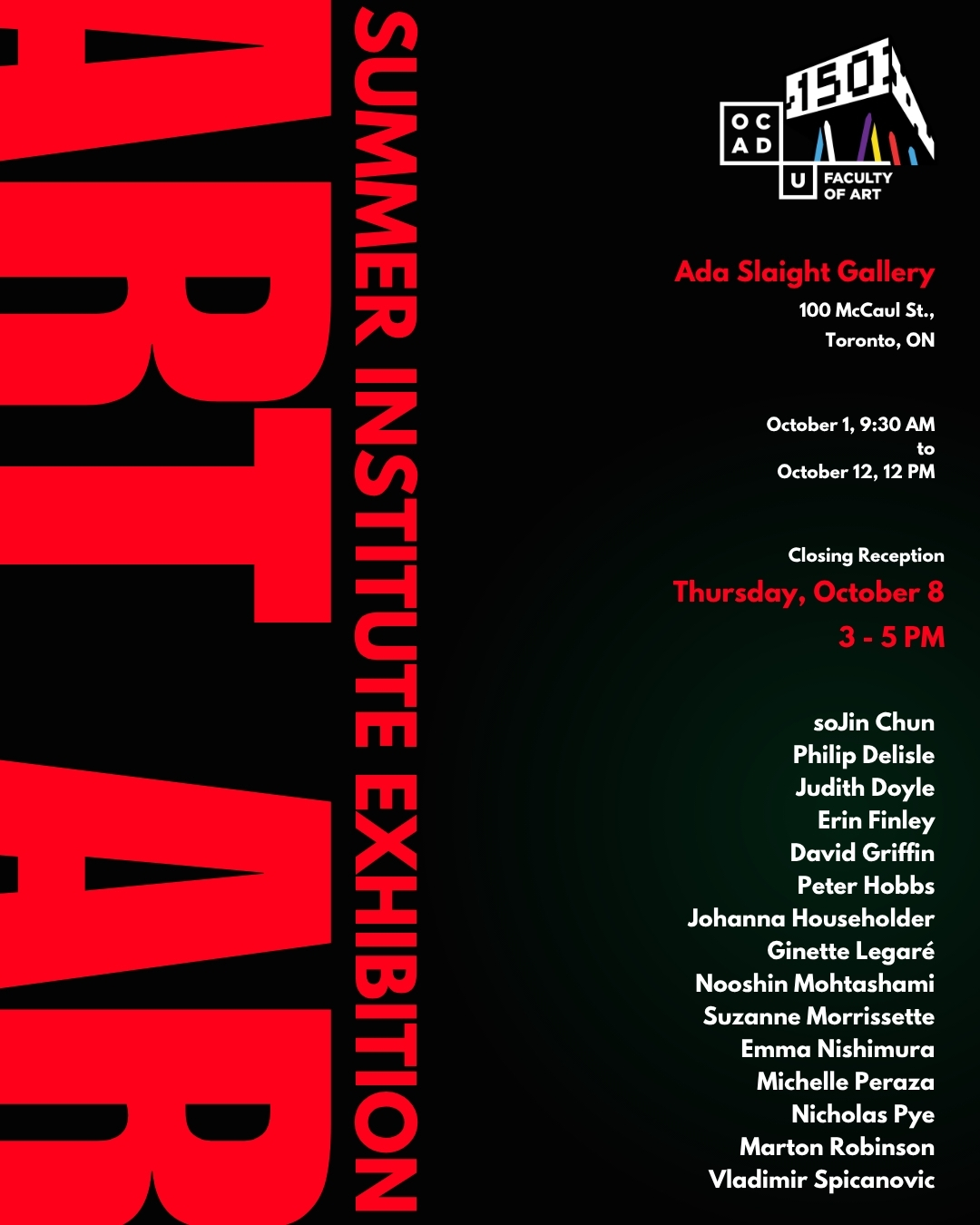
A Group Exhibition shows faculty research and practice from the 2026 Summer Institute. Faculty Participants: soJin Chun, Philip Delisle, Judith Doyle, Erin Finley, David Griffin, Peter Hobbs, Johanna Householder, Ginette Legaré, Nooshin Mohtashami, Suzanne Morrissette, Emma Nishimura, Michelle Peraza, Nicholas Pye, Marton Robinson, Vladimir Spicanovic.
Ada Slaight Student Gallery 100 McCaul St. 2nd floor
October 1 - 12, 2026
Department OCAD U 150, Ada Slaight Gallery, Faculty of Art
Faculty Faculty of Art
Cost Free
[Add to Calendar](data:text/calendar;charset=utf8;base64,QkVHSU46VkNBTEVOREFSDQpWRVJTSU9OOjIuMA0KUFJPRElEOlNwYXRpZSBjYWxlbmRhci1saW5rcw0KQkVHSU46VkVWRU5UDQpVSUQ6OGMwZjY3MjY1NDY5OWUzZDcxZTU1NzQwNTkyMjNjZTANClNVTU1BUlk6U3VtbWVyIEluc3RpdHV0ZSBFeGhpYml0aW9uDQpEVFNUQU1QOjIwMjYxMDAxVDA0MDAwMFoNCkRUU1RBUlQ6MjAyNjEwMDFUMDQwMDAwWg0KRFRFTkQ6MjAyNjEwMTNUMDM1OTU5Wg0KRU5EOlZFVkVOVA0KRU5EOlZDQUxFTkRBUg==)

rgb(255,255,255)
### Faculty of Art
## 2026 Summer Institute
### Group Exhibition
- Wednesday, September 23 to Thursday, October 8
- Ada Slaight Gallery, 100 McCaul St, 2nd floor, M5T 1W1
- Closing Reception: Thursday, October 8, 3 to 5 PM
- All OCAD U members are welcome
Faculty Participants: soJin Chun, Philip Delisle, Judith Doyle, Erin Finley, David Griffin, Peter Hobbs, Johanna Householder, Ginette Legaré, Nooshin Mohtashami, Suzanne Morrissette, Emma Nishimura, Michelle Peraza, Nicholas Pye, Marton Robinson, Vladimir Spicanovic.
---
The Faculty of Art Summer Institute was initiated in 2013 to enliven the campus during the summer months. It fosters OCAD U’s research culture and creates an environment that supports leading practices, experimentation, community engagement, and innovation in contemporary art. Each year, selected faculty members are provided with eight weeks of dedicated studio space and technician support, giving them the time and resources to focus on their research and creative practices.
- To promote and support faculty research practice
- To advance the professional development of faculty
- To create a more dynamic summer learning environment for students
- To recognize faculty contributions
- To promote dialogue between faculty as practitioners and teachers, both internally and externally
- To connect with wider community, students and alumni
Selected faculty/researchers have been awarded studio space to enliven the campus from July 2 to August 21, 2026. Promoting the OCAD U research culture and creating an environment that supports leading practices and innovation in the field of contemporary art.
The Faculty of Art gratefully acknowledges the technical and staff support provided by the OCAD U Studio Services team.
### Campus Operation Hours
**Monday to Friday:**
7:30 a.m. to 12:00 a.m.
(Card swipe from 8 pm to Midnight)
**Saturday:**
8:30 a.m. to 6:00 p.m.
**Sunday:**
12 p.m. to 12:00 a.m.
(Card swipe from 8 pm to Midnight)
rgb(255,255,255)
01
Previous item Next item
01
[ 
### soJin Chun
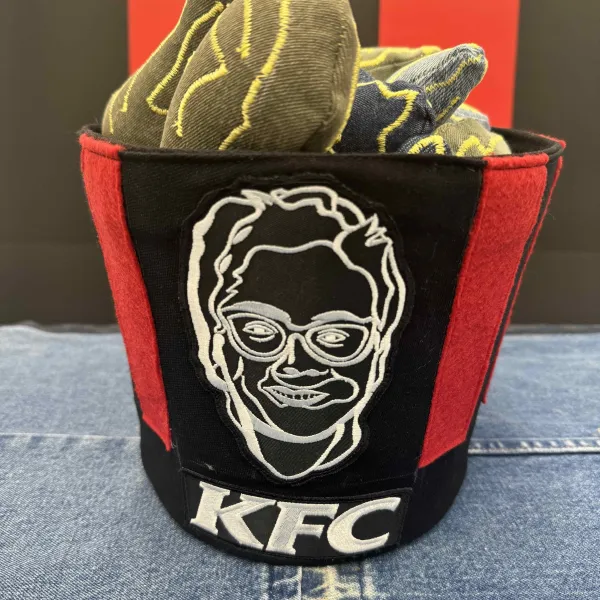
Taking the architectural designer/writer Elsa Maki’s idea of stitching as a hybrid strategy, The Eating Room is a multidisciplinary art project that examines Hallyu (the Korean Wave), a global proliferation of K-culture, to explore how Korean diasporic communities consume media from their homeland. This is a new work in development since 2025.
Through material and digital archives, including denim and performance art, The Eating Room is a diasporic inquiry into the complexities of immigration, belonging and hybridity. A large textile piece evokes a camouflage-patterned topographic landscape made of second-hand denim, referencing the ceasefire at the 38th parallel, as well as fried chicken, a byproduct of the American occupation in Korea. Meanwhile, a multi-channel video installation features a montage of performances for the camera alongside found footage of Koreans eating fried chicken, inspired by Mukbang, a popular “K-food” livestream genre in which influencers consume large quantities of junk food.
](https://sojincita.com/)
02
[ 
### Philip Delisle
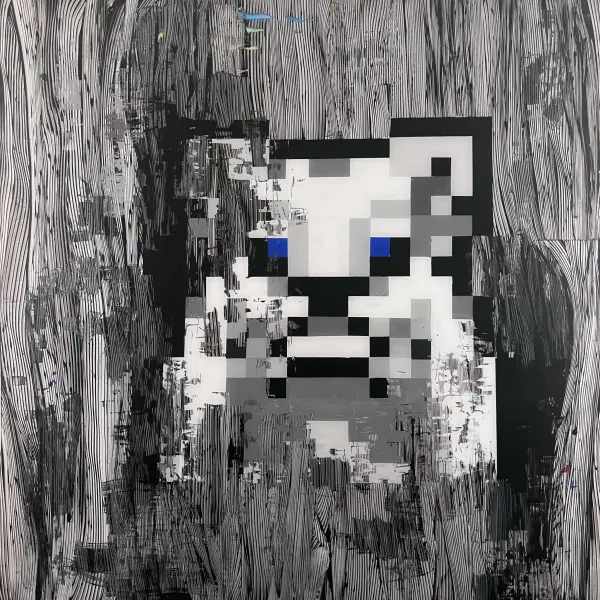
The two works in this exhibition explore ways of thinking through making, in which the image is generated primarily through material encounter rather than predetermined in advance. Using reverse painting on transparent Plexiglas, pixelated figures, architectural fragments, gestural marks, scraping, and transparency accumulate and interfere with one another. One work allows a painted, pixelated animal character to emerge within a dense field of painterly marks; the other returns to imagery from an earlier body of work based on the Musée du Louvre, treating my own previous painting as material that can be fragmented and re-encountered. Both developed through attending and responding to what appeared in the process rather than working toward a predetermined composition.
](https://www.phildelisle.ca/)
03
[ 
### Judith Doyle
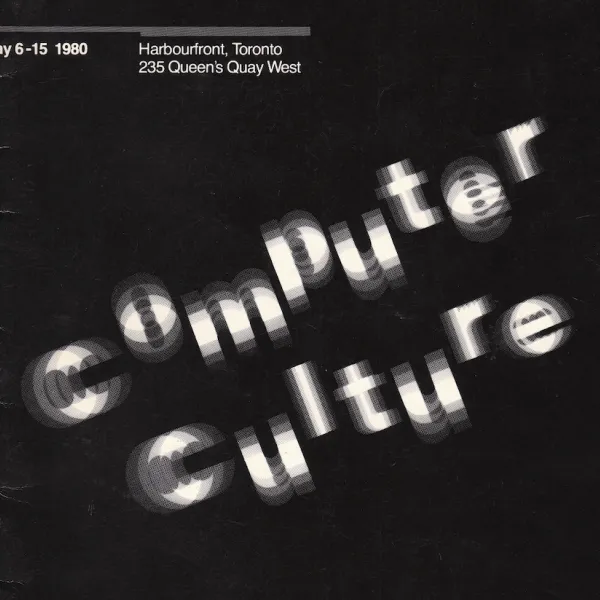
Computer Culture was brand new in 1980. This booklet cover is for an exhibition at Harbourfront organized by OCA’s Photo-Electric Arts program. It’s a detail to be included in my collage of archival source materials representing OCA’s Photo-Electric Arts program in 1978-1982. Ahead of its time, Photo-Electric Arts – the precursor to Integrated Media in the Faculty of Art - supported experimental robotics, proto-internet transmission art, interactive performance and collage using fax machines, SSTV and early sonic synths. Live-to-live collaboration via phone lines fostered interactive communities and artist-run exchanges, across Canada, New York, Europe and the Pacific Rim.
](https://theplumb.ca/Rumour-WORLDPOOL-Judith-Doyle-Network-Archive)
04
[ 
### Erin Finly
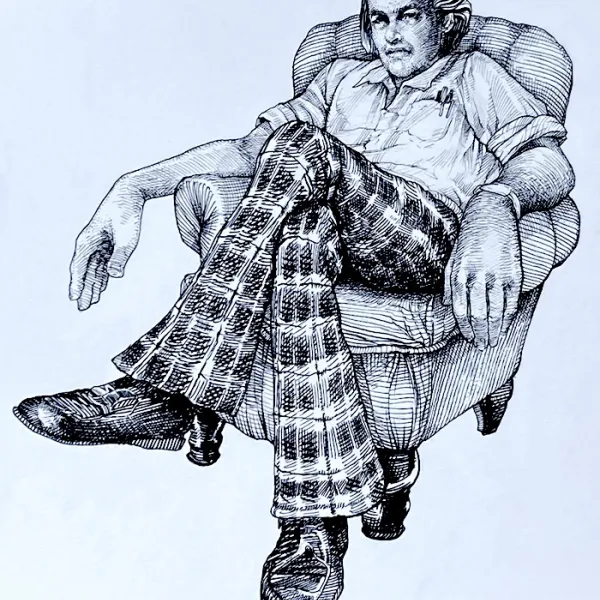
During her residency at the historic A-frame home in Ameliasburgh, Ontario, Canadian visual artist Erin Finley began a series of expressive ink portraits of iconic poet Al Purdy. This legendary writer's retreat was famously saved from destruction by literary titans Margaret Atwood, Michael Ondaatje, and Leonard Cohen. Immersed in the space where Purdy composed "Wilderness Gothic," Erin captured his rugged likeness before concluding the project during the Summer Institute residency at OCAD U. Her evocative sketches pay homage to Purdy’s enduring legacy and will be published in an upcoming anthology.
](http://www.erinfinley.com/)
05
[ 
### David Griffin
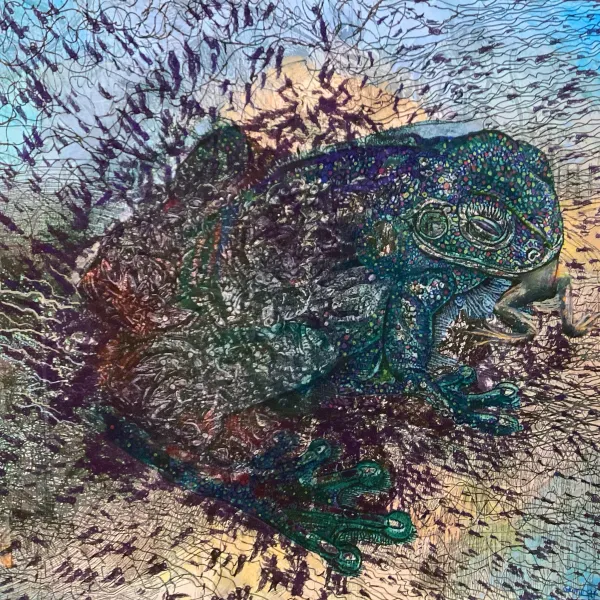
In the Summer Institute 2026, I composed a group of eight large drawings that visualise those worldly forces that we think we see: mayflies on their day of ecstasy, the fugue produced by ants as they enact their world, bullfrogs waking from long winter sleeps, and images of the smallest of creatures, hungry, geometric, and fluid.
We make lines to understand. We draw pictures and music, biology and physics. In this sense I view my studio, with all its knots and muddles, as a place for dreaming. When I draw, my hands glide from my shoulder through clouds to the water, marking shadows and intervals, spinning across surfaces that are not surfaces. I look, see, and speculate. The sky becomes legible, and I change.
](https://davidgriffinart.com/)
06
[ 
### Peter Hobbs
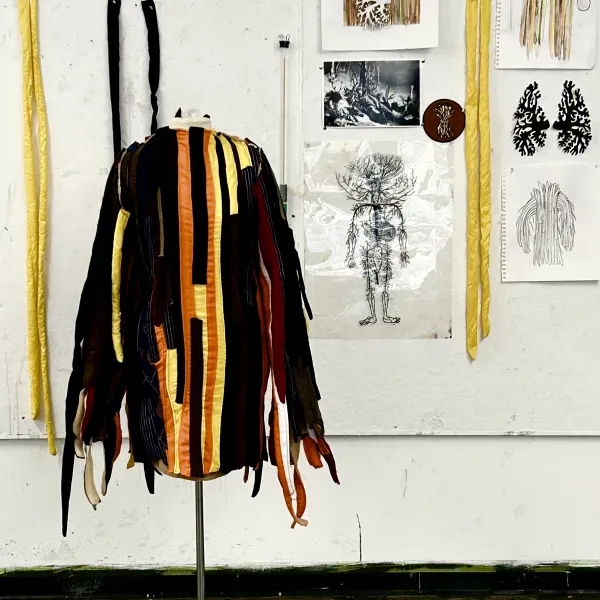
Burning Faggot Dress
I did not intend to make a dress. It, more or less, made itself.
How should I fashion myself as a queer artist on summer vacation? How should I dress for success—or, at the very least, survival—as forest fires rage throughout Canada and across the globe? How does one style for climate change? What to wear when the skies turn orange and we are advised to shelter in place?
I don’t want to give the impression that I spent all my time at the Summer Institute stewing and interrogating myself with these daunting questions. But I do want to acknowledge the impact of the fires: How when I ventured outside and my eyes teared up and I could taste the smoke, I was met with a wave of the associated images—a reel of pictures and capitalized words which filled my head and eventually made their way into my assigned studio space: TREES; FIRE; FLOOD; GAIA; WITCHES; and BURNING FAGGOTS.
](https://www.petehobbs.com/gallery)
07
[ 
### Johanna Householder
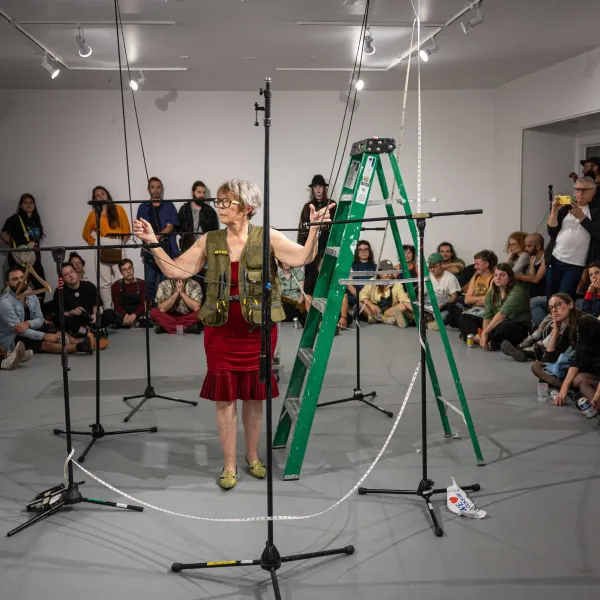
A schematic house is constructed live, made of ¼ inch audio tape and sound production materials, domestic objects, and audio sources. Its construction makes visible the movement of sound through space and time. The audio sources are beginnings and endings drawn primarily from rock and soul music with a spoken track of the philosopher Alain Badiou.
Various sound technologies underscore the amplification and persistence of certain kinds of sounds across and through the live, the prerecorded, the analog and the digital.
](https://performanceart.ca/artist/johanna-householder/)
01
Previous item Next item
01
[ 
### Ginette Legaré
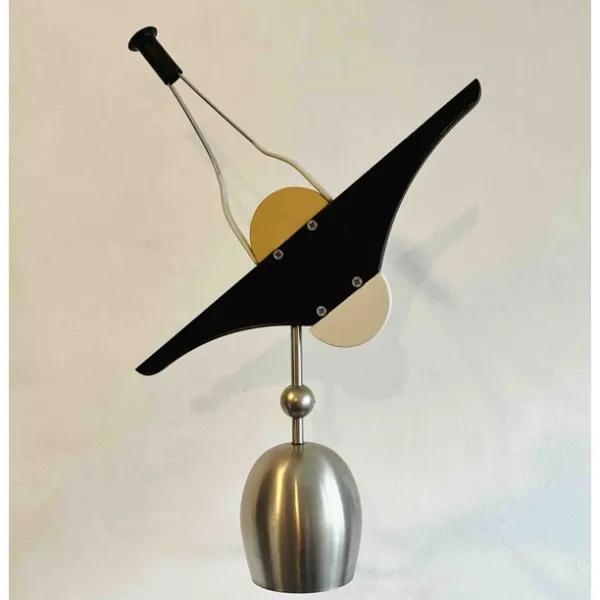
With the support of the Faculty of Art’s 2026 Summer Institute and access to OCAD University’s Fabrication Studios, I have been able to continue my exploration of perceptual ambiguities that are at play in sculptural and installation-based artworks. My practice relies on the recuperation of discards collected from my surroundings. These provide specific material, design, fabrication, and use considerations, while informing "hands-on" experimentation and research that bring into perspective perceptual, historical, and aesthetic contexts. Thus, my project attempts to enlist the uncertainties inscribed in viewers’ interpretive approach to objects—encounters located around the cusp between the “known” and the unknown.
](http://ginettelegare.com/)
02
[ 
### Nooshin Mohtashami
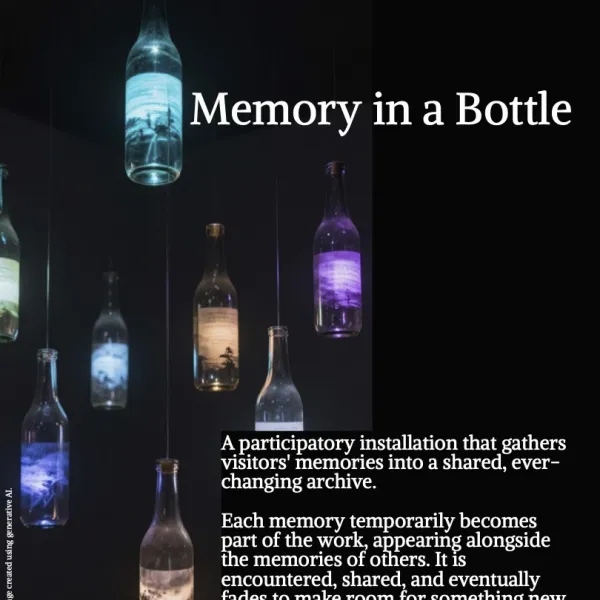
Memory in a Bottle is a participatory installation exploring how personal memories become part of a collective experience. The work draws on the familiar image of a message in a bottle. Separated from its sender, the message eventually surfaces in the life and imagination of a stranger, who receives it without knowing its full context. The recipient is left to imagine the person and the story behind the message, filling in what is missing through their own memories and experiences. In this way, the message no longer belongs entirely to the one who sent it.
](https://www.houseofnoosh.art/)
03
[ 
### Suzanne Morrissette
During my time in the residency this summer I produced a series of seven large oil paintings that will be shown in a solo exhibition at the Durham Art Gallery in October. For the Summer Institute exhibition, I am sharing three studies produced alongside my paintings that will together form the set design for one of five vignettes. Each vignette reunites two people who are separated by time or circumstance, inflected by the harms of racial capitalism, to reimagine what might otherwise seem like impossible futures.
](https://www.suzannemorrissette.com/about-avenue)
04
[ 
### Emma Nishimura
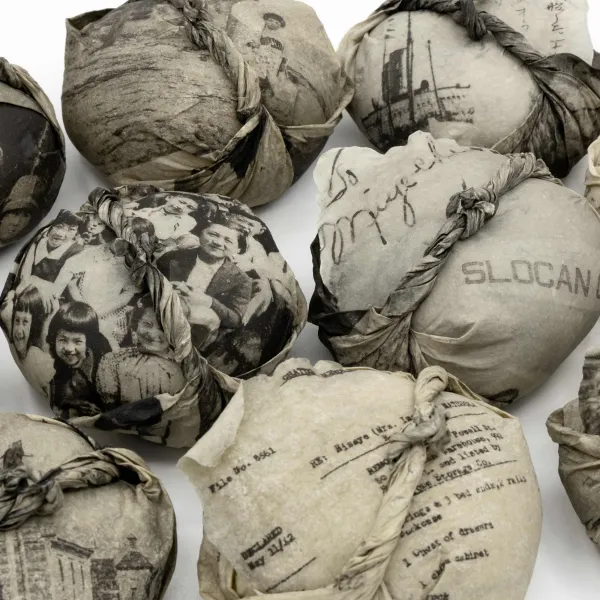
This summer, I continued work on An Archive of Rememory, an ongoing series I began in 2016 that explores memory, inheritance, and the stories that are passed from one generation to the next. Centered on the narratives surrounding the Japanese Canadian internment, the work considers what it might mean to package, preserve, and archive memory.
The series consists of hundreds of small bundled forms inspired by furoshiki, a traditional Japanese wrapping technique used to store, protect, and carry belongings. A furoshiki may wrap a gift or serve a practical purpose, but it also suggests care, preservation, and the act
of carrying something forward.
](https://www.emmanishimura.com/)
05
[ 
### Michelle Peraza
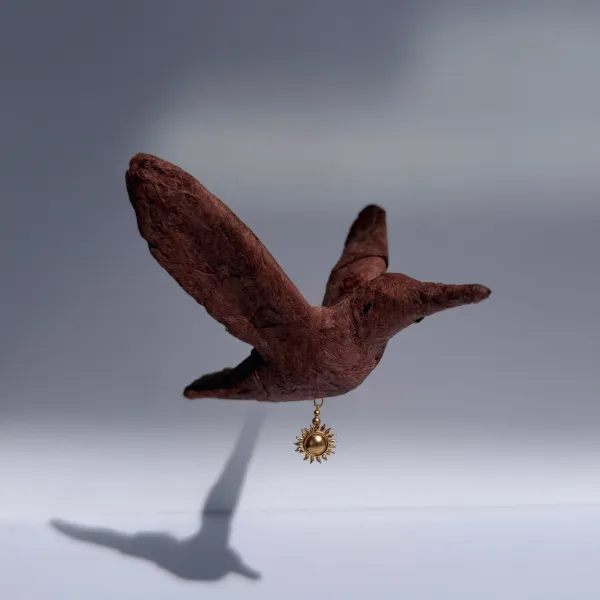
Colibrí, Colibrí, Colibrí is a smaller version of a large-scale, site-specific project that will be installed as part of an upcoming solo exhibition entitled Gusapo, take a seat, in January 2027 at Neutral Ground, Saskatchewan. By invoking the cardinal directions through visual images and sound, Gusapo, take a seat, intends to create a meditative/trance space composed of a large-scale floor work including a double headed crocodile paired with two half sun discs, hanging hummingbirds, large-scale textile meditative self-portraits and a recording of my daily sound meditation/trance.
](https://www.michelleperaza.com/)
06
[ 
### Nicholas Pye
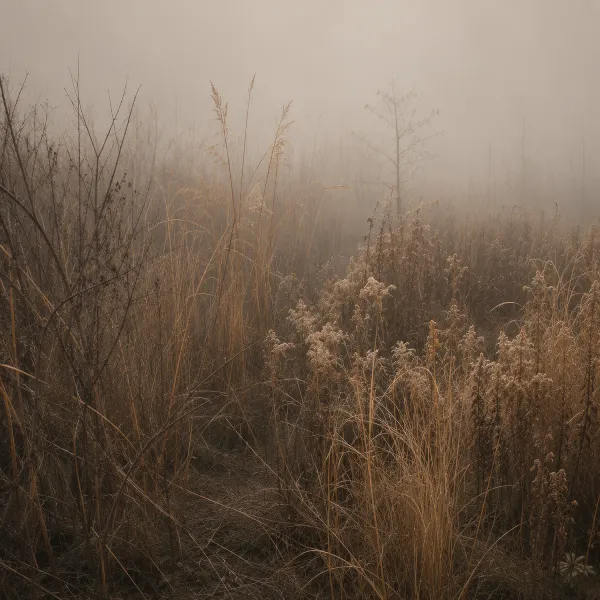
There are places that seem to exist just beyond certainty. They appear in fragments: a solitary tree, a path through tall grass, reeds emerging from still water, a shoreline disappearing into fog. Familiar but difficult to locate, they feel less discovered than remembered, inherited, or imagined.
Soft Ground brings together a series of landscapes that occupy this uncertain territory. Beginning with photographs of ordinary places, the work follows a process of transformation that loosens the image from the specificity of documentation. The resulting scenes resist a fixed geography. They seem to belong to a place with its own internal logic, where repetition and variation suggest that each image is part of a larger, unfolding world.
](https://nicholaspye.com/home)
07
[ 
### Marton Robinson
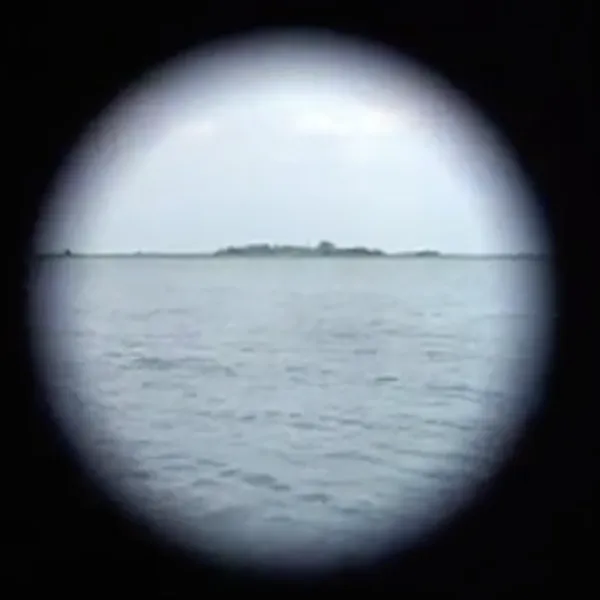
The proposal responds to the geographical dislocation of bodies within a hemispheric context, and the videos and
images in the installation are from the former Black Star Line national architectural heritage building in Limón, Costa
Rica. The building was part of the Universal Negro Improvement Association (UNIA), an organization founded in 1914
by Marcus Garvey to empower Afro-descendants through passenger transport and maritime trade between America,
the Caribbean, and Africa. In the installation, images of the Black Star Line building are linked to reverse images of the
television series Roots (1977), the first television show to narrate the experience of the African diaspora through the
history of an African American family.
](https://www.martonrobinson.com/)
08
[ 
### Vladimir Spicanovic
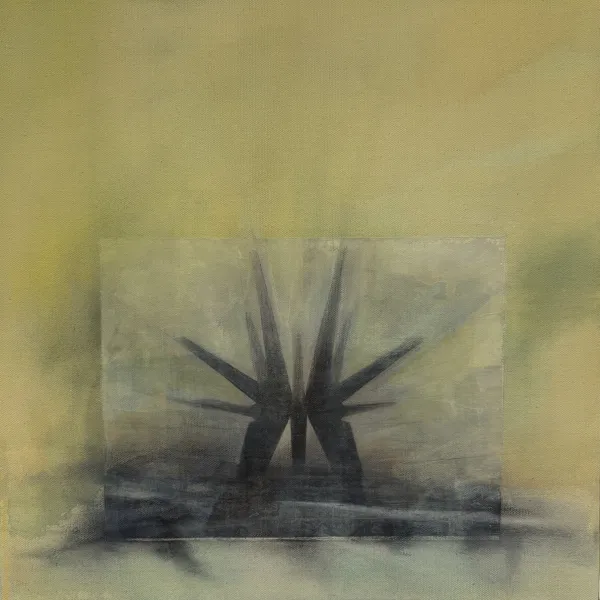
In this work, I revisit the cultural and architectural heritage of Spomenik(s) – land-based monuments of the former Socialist Federal Republic of Yugoslavia – my homeland and a country that no longer exists. The word spomenik in Serbo-Croatian language means a memorial monument. Emerging in the period from the 1950 to 1980 as the “new altars of the secular religion of socialism” and as the pinnacles of Yugoslavian modernist architecture, spomeniks stand as the embodiments of remembering the victims of the WW II and the courage of partisan soldiers who fought against fascism. They also symbolize the utopian spirit of brotherhood and unity that kept former Yugoslavia intact for almost fifty years.
](https://research.ocaduwebspace.ca/research/connection/professor.html#:~:text=Vladimir%20Spicanovic%20is%20an%20artist%2Deducator,Dean%20from%202009%20to%202019.)
rgb(255,255,255)
[ ](https://ocadu.ca/150)
Please be advised that OCAD U hosted events may be documented through photographs and video. These images may be used by the University for promotional, advertising, and educational purposes. By participating in our events, both on campus and off-site, you consent to allowing OCAD University to document and use your image and likeness. However, if you do not want us to use a photo or video of you or your child, please don’t hesitate to let us know when you arrive at the event. You’re also welcome to get in touch with OCAD University’s Marketing & Communications office: .
Be mindful of those in our community who have scent sensitivities; please help OCAD U maintain a healthy, scent-free campus.